Engaging Youth Through Sport: Building Healthier Communities
- Alfa Sports Association

- Mar 6, 2024
- 2 min read
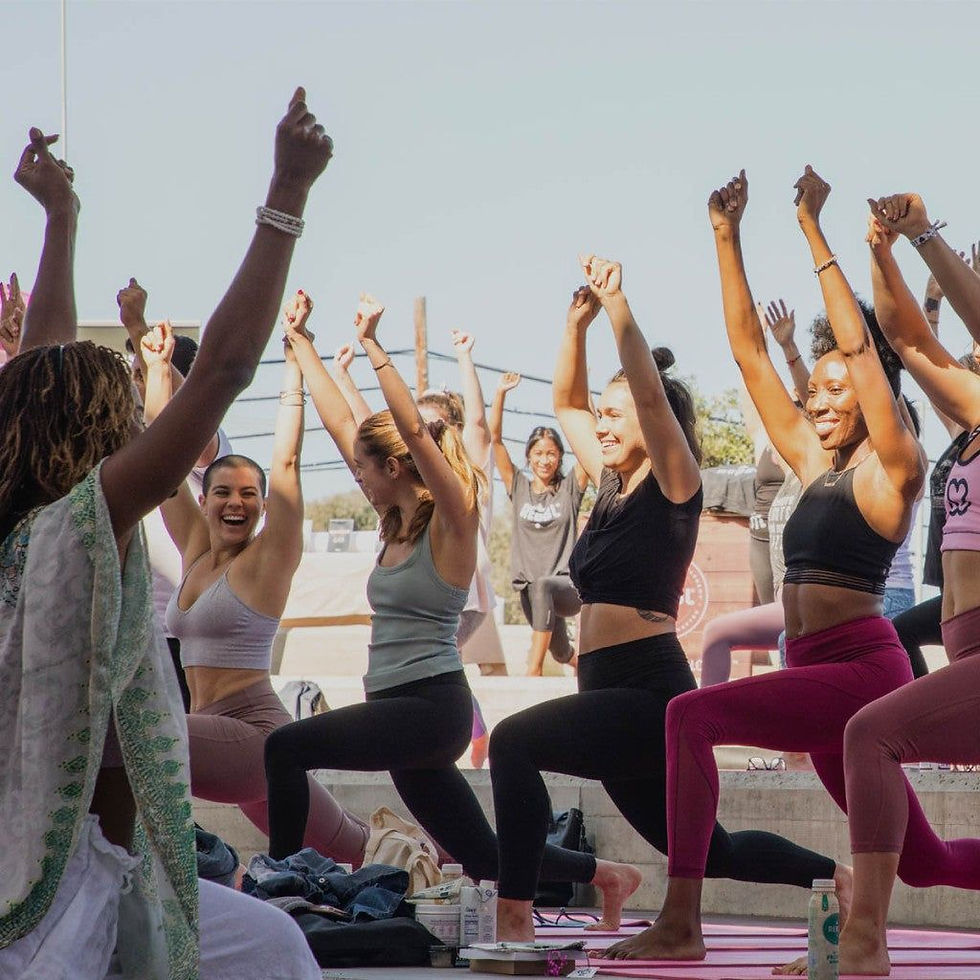
Sport has long been recognized as a powerful tool for engaging young people and promoting healthier lifestyles. In an era where sedentary habits and digital distractions are increasingly common, encouraging youth to participate in physical activity is more important than ever. Sport offers not only physical benefits but also contributes to mental well-being, helping young individuals manage stress, build confidence, and develop a sense of purpose.
Beyond individual benefits, sport plays a significant role in fostering social connections and strengthening communities. When young people come together through sports activities, they learn essential values such as teamwork, respect, discipline, and fair play. These shared experiences help break down social barriers, encourage inclusion, and create a sense of belonging among participants from diverse backgrounds.
Youth engagement in sport also provides an opportunity for personal development and skill-building. Through structured activities, trainings, and competitions, young individuals can develop leadership skills, improve communication, and gain resilience. These competencies are not only valuable in sports settings but are also transferable to education, employment, and everyday life.
Moreover, sports initiatives led by youth organizations contribute to addressing broader social challenges. Issues such as physical inactivity, social isolation, and mental health concerns can be mitigated through well-designed programs that prioritize accessibility and inclusivity. By creating safe and supportive environments, organizations can ensure that all young people—regardless of their background—have the opportunity to participate and benefit.
Collaboration is another key factor in maximizing the impact of sport-based initiatives. Partnerships between non-governmental organizations, schools, local authorities, and health professionals allow for more comprehensive and sustainable programs. These collaborations help expand outreach, improve the quality of activities, and ensure that initiatives respond effectively to the needs of young people.
In conclusion, engaging youth through sport is not only about promoting physical activity—it is about building healthier, more connected, and resilient communities. By investing in inclusive and accessible sports opportunities, organizations can empower young people to lead active lives while contributing positively to society.


